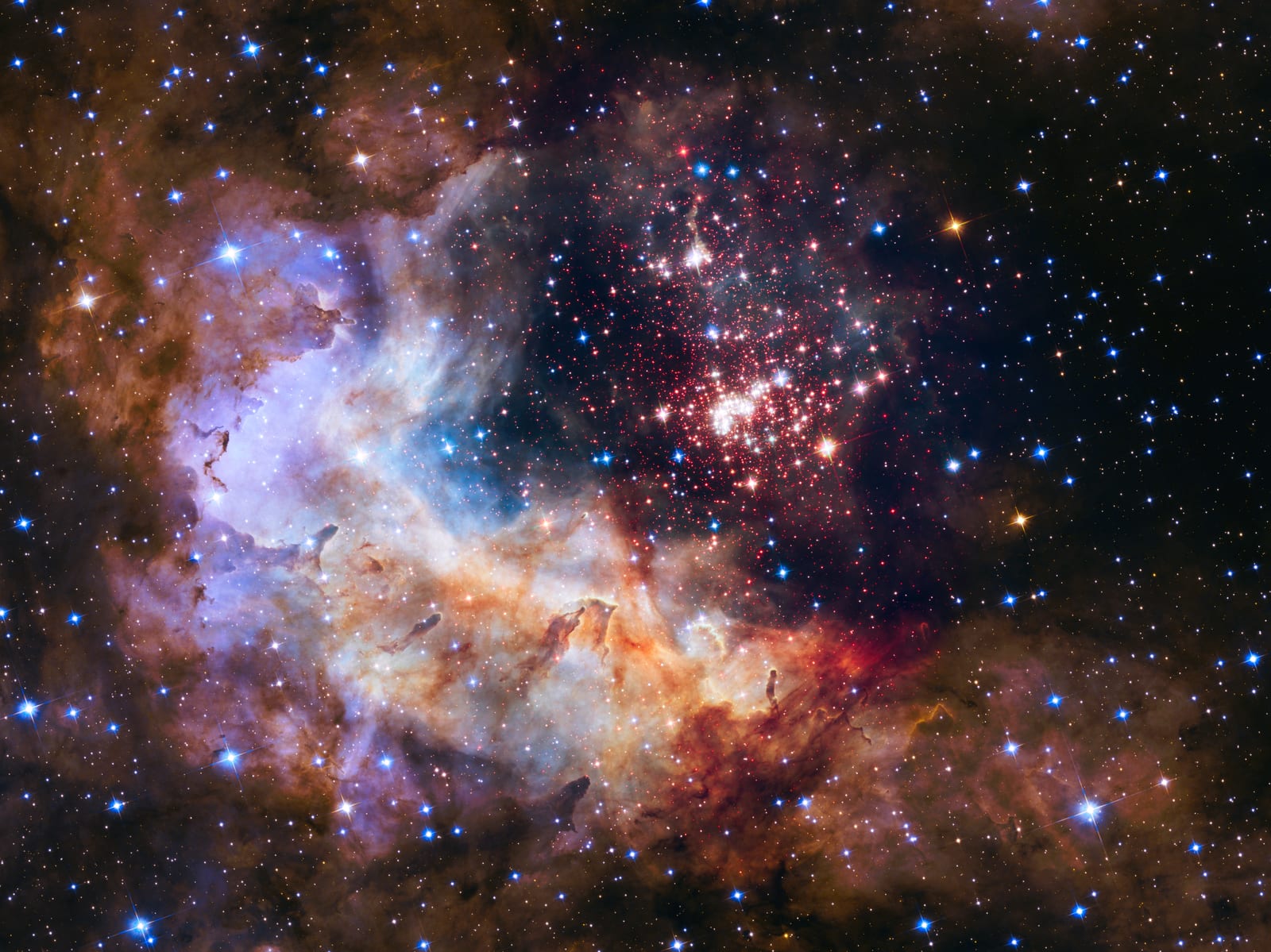
Westerlund 2
Cúmulo estelar joven en Carina
Desde el Sol
20.000 años luz
 Abrir en 3D
Tipo
Unas 3000 estrellas jóvenes, algunas de las más calientes y brillantes de la Vía Láctea, que excavan una cavidad en la nube de la que se formaron. La imagen del 25.º aniversario del Hubble.
La imagen cuelga a esa distancia de cara a la Tierra, tan grande como se ve en el cielo; la profundidad del objeto no se puede ver, así que es plana.
La imagen
- Tomada por
- Hubble Space Telescope
- Ancho de la imagen
- unos 43 ly
- Desde el Sol
- 20.000 años luz
- AR / Dec
- 156.03° / -57.76°
Westerlund 2
Westerlund 2 is an obscured compact young star cluster in the Milky Way, with an estimated age of about one or two million years. It contains some of the hottest, brightest, and most massive stars known. The cluster resides inside H II region RCW 49, located 20,000 light-years away in the constellation Carina. It is half a degree from the naked eye Cepheid variable V399 Carinae.
De Wikipedia, CC BY-SA · Leer el artículo
En la Vía Láctea
- Pilares de la CreaciónColumnas de formación estelar en la Nebulosa del Águila · 5700 años luz3D
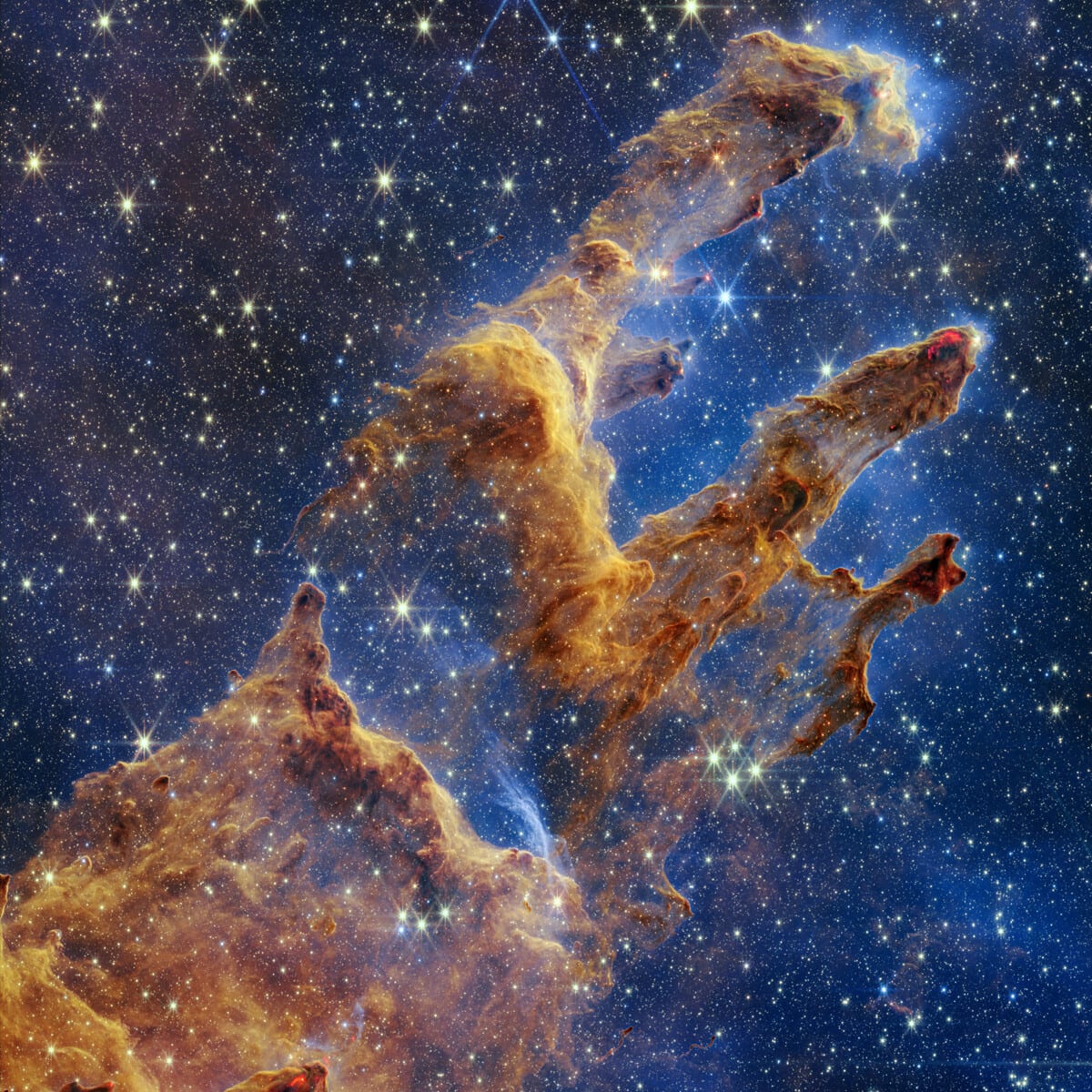
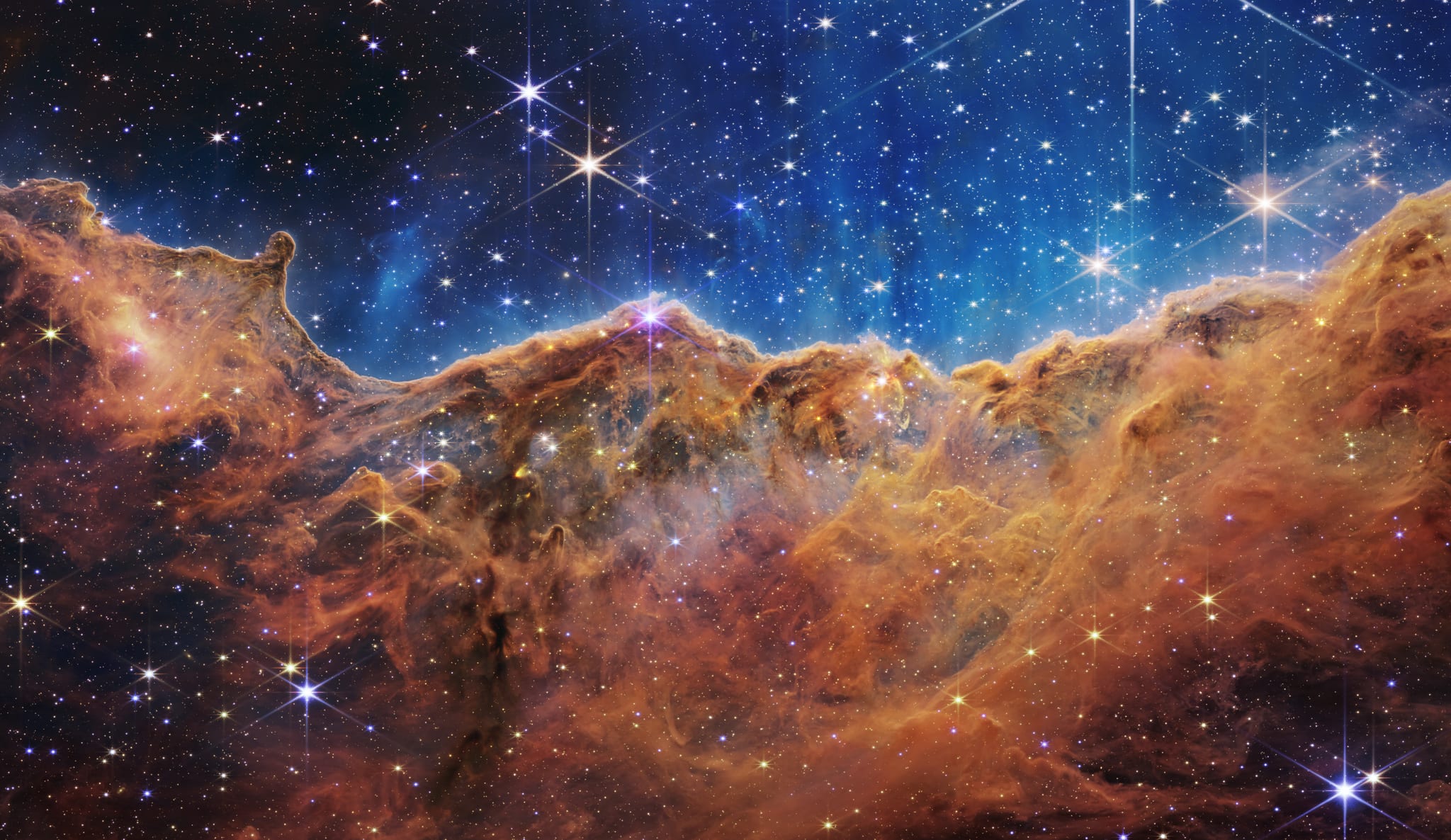
Imagen: NASA, ESA, CSA, STScI; J. DePasquale, A. Koekemoer, A. Pagan (STScI).
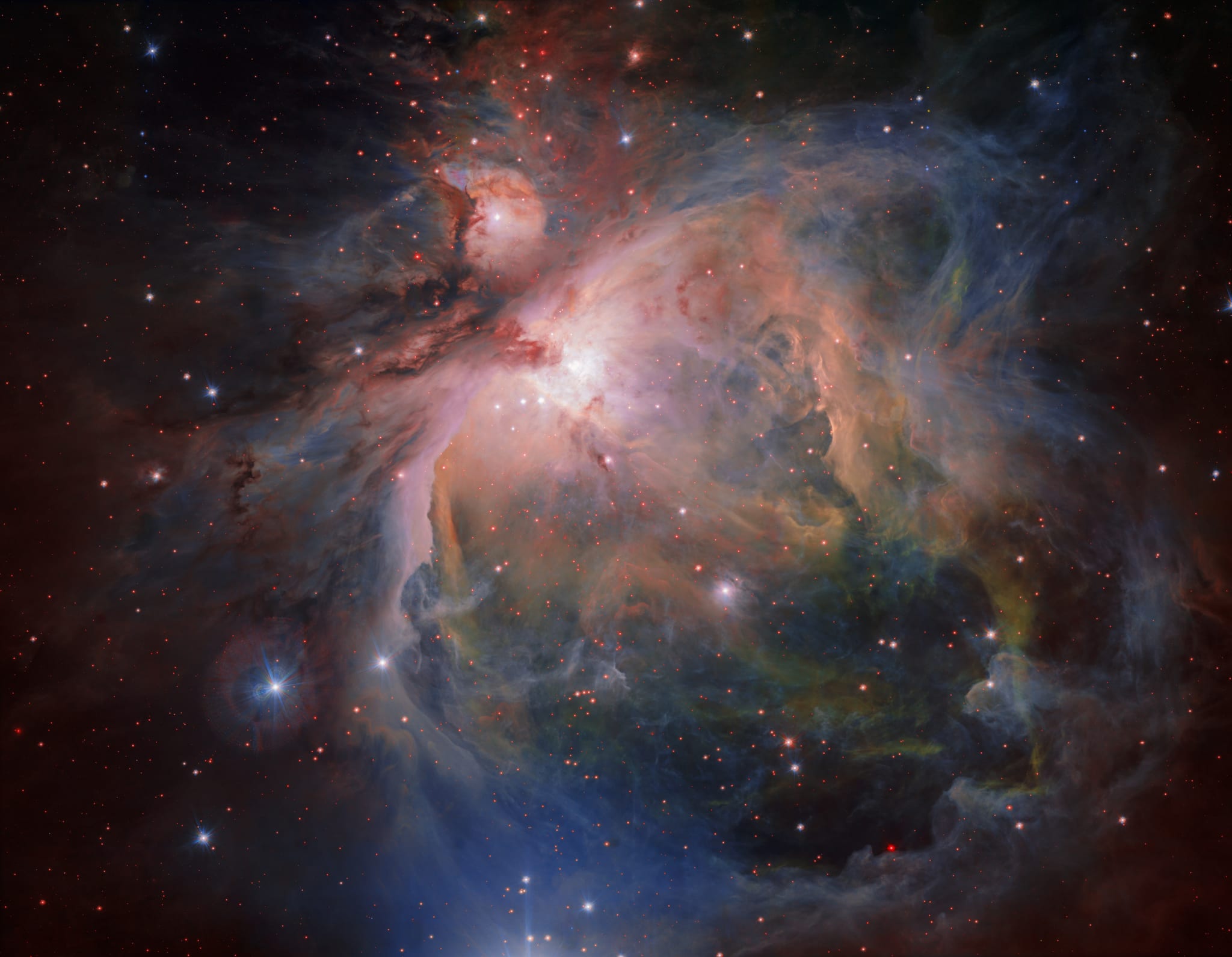
- Nebulosa de OriónLa gran región de formación estelar más cercana, M42 · 1344 años luz3D
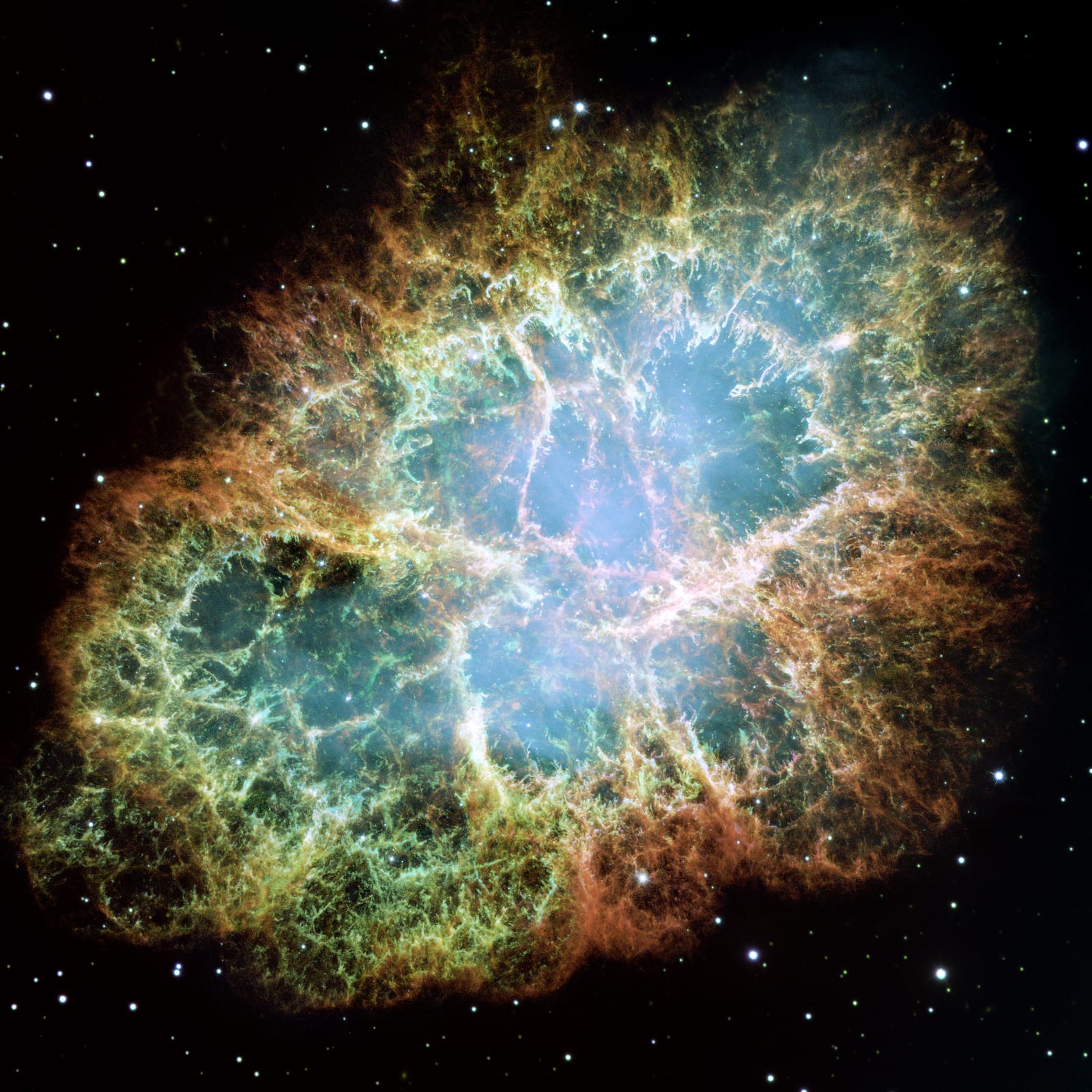
- Nebulosa del CangrejoRemanente de supernova, M1 · 6500 años luz3D
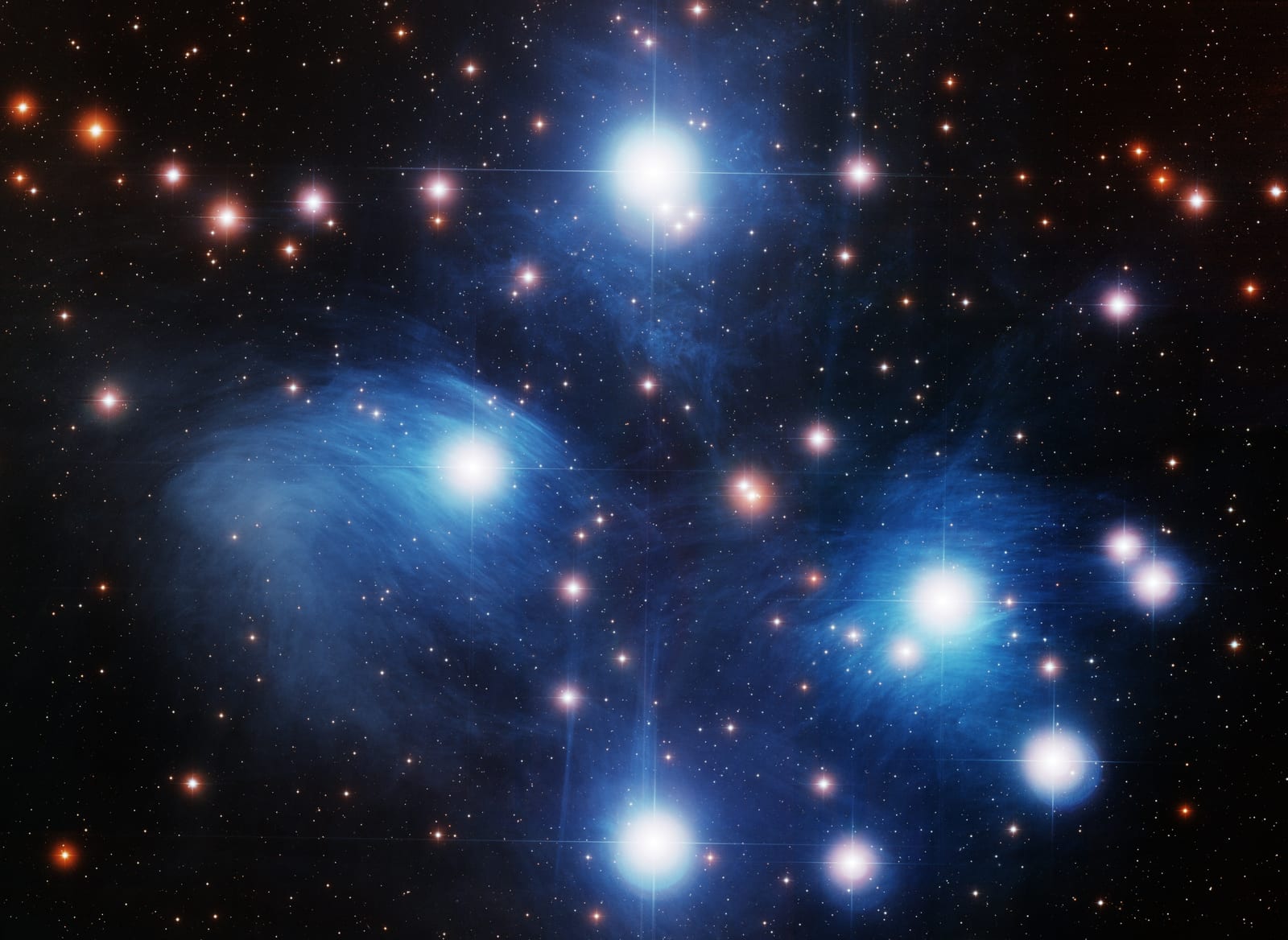
- PléyadesCúmulo estelar abierto, M45 · 444 años luz3D
- Acantilados CósmicosBorde de NGC 3324 en Carina · 7600 años luz3D
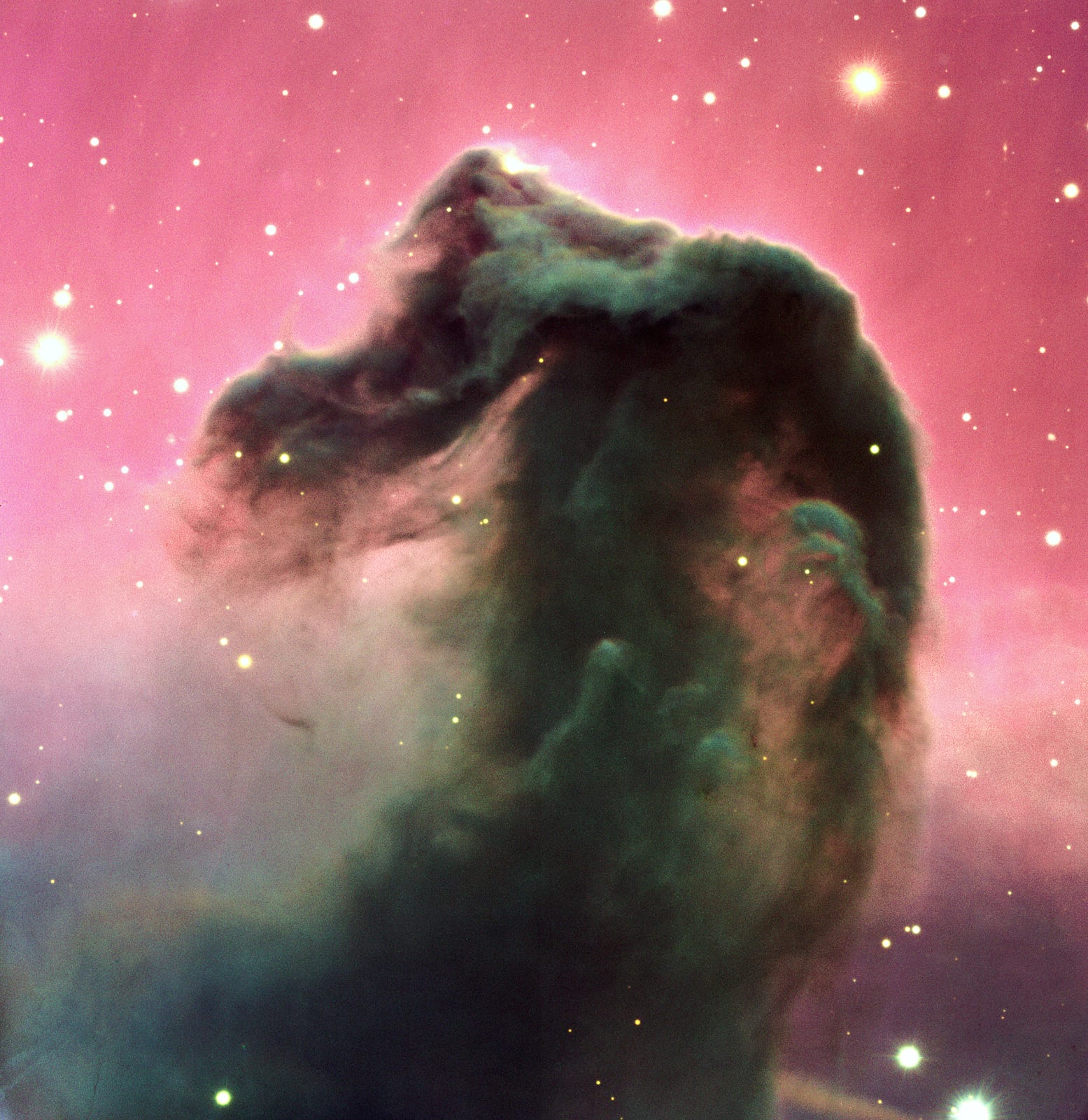
- Nebulosa Cabeza de CaballoNebulosa oscura, Barnard 33 · 1375 años luz3D
- Nebulosa de CarinaRegión de formación estelar, NGC 3372 · 7500 años luz3D
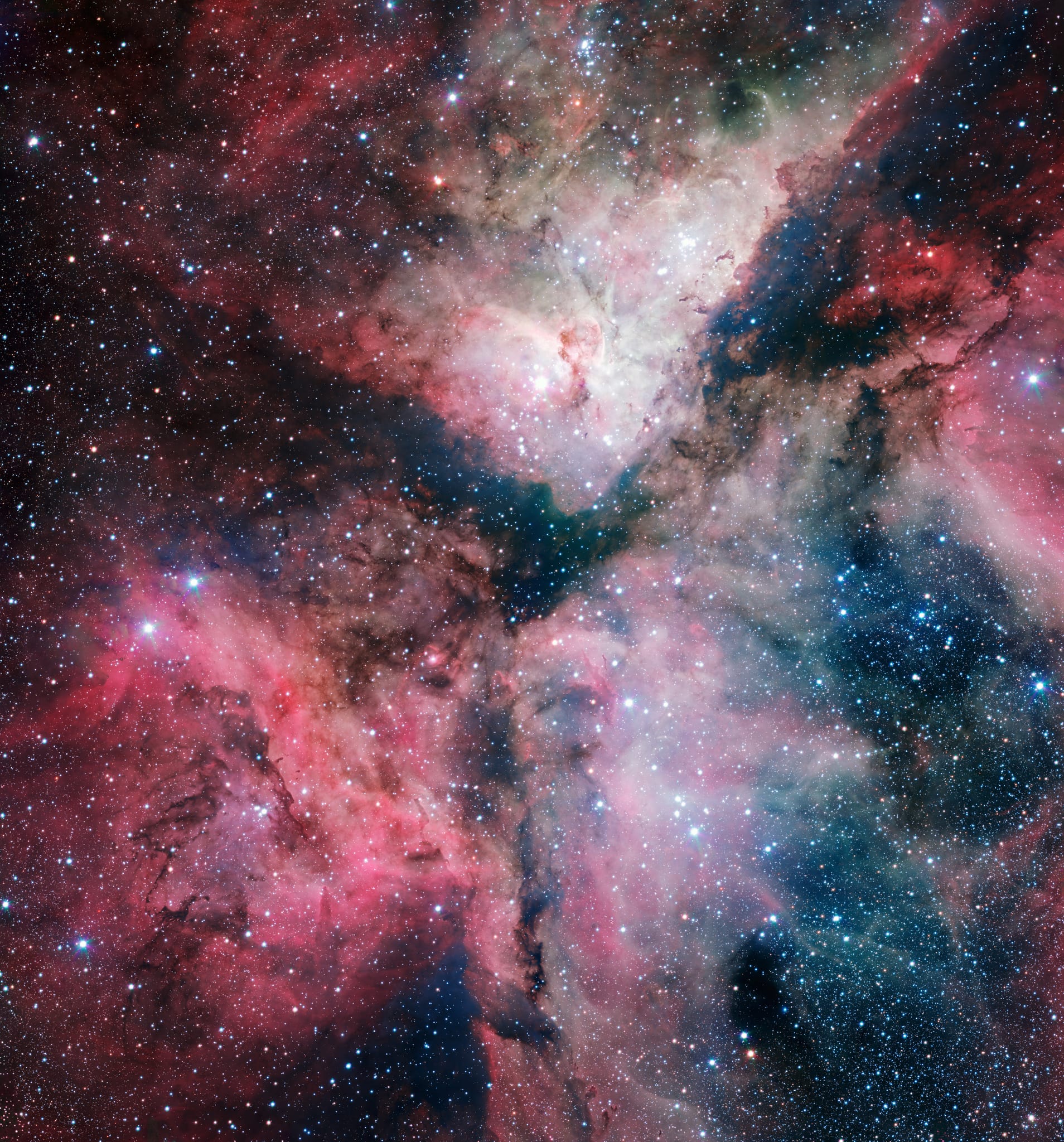
Imagen: ESO. Acknowledgement: VPHAS+ Consortium/Cambridge Astronomical Survey Unit
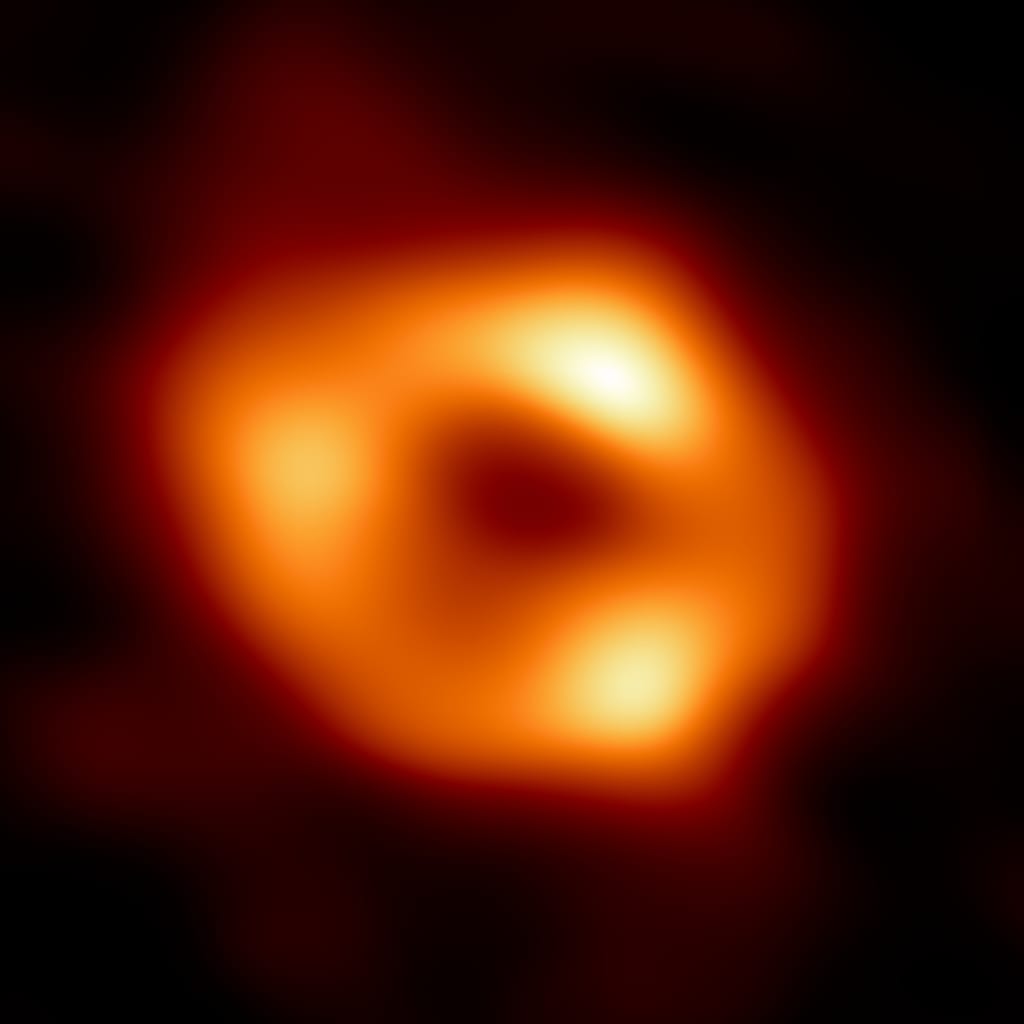
- Imagen de Sagittarius A*Event Horizon Telescope, 2022 · 26.670 años luz3D