 Open in 3D
What it is
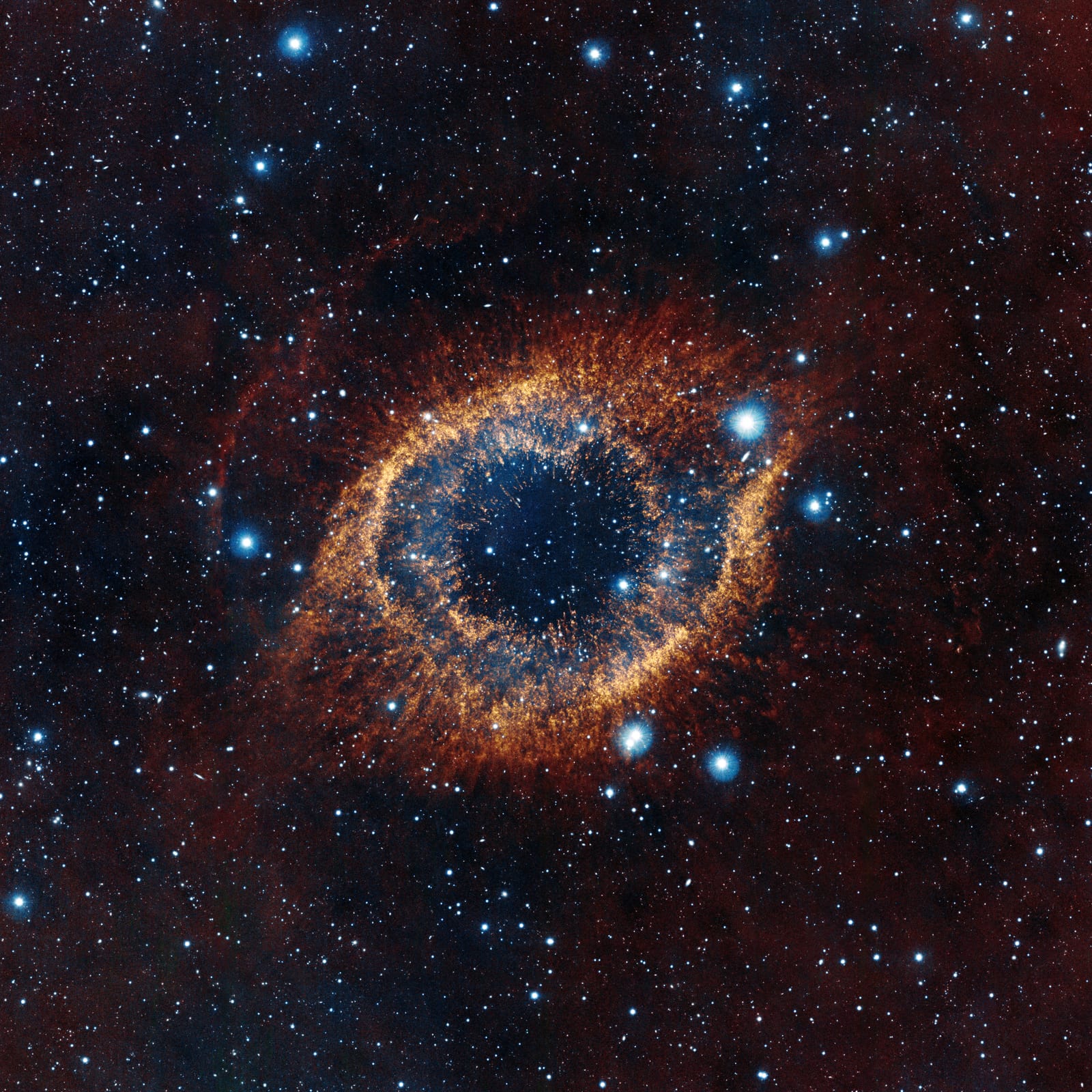
The outer layers of a dying Sun-like star, cast off over the last 10,000 years. One of the nearest planetary nebulae.
The picture hangs at that distance facing Earth, as large as it is on the sky; how deep the object is cannot be seen, so it is flat.
The picture
- Taken by
- European Southern Observatory
- Picture spans
- about 7.1 ly
- From the Sun
- 655 light-years
- RA / Dec
- 337.41° / -20.84°
Helix Nebula
The Helix Nebula is a planetary nebula (PN) located in the constellation Aquarius. Discovered by Karl Ludwig Harding, most likely before 1824, this object is one of the closest to Earth of all the bright planetary nebulae. The distance, measured by the Gaia mission, is 655±13 light-years.
From Wikipedia, CC BY-SA · Read the article
In the Milky Way
- Pillars of CreationStar-forming columns in the Eagle Nebula · 5,700 light-years3D
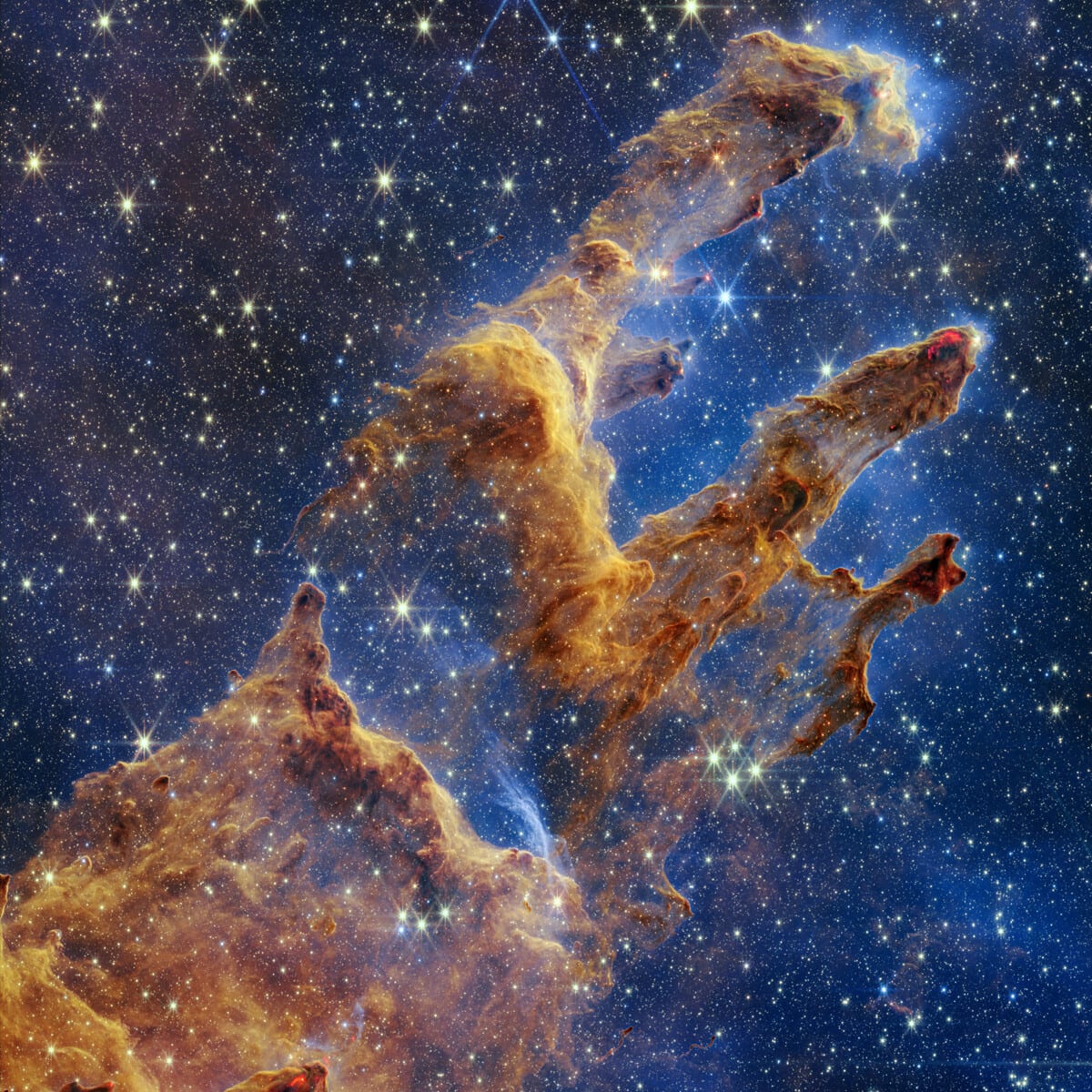
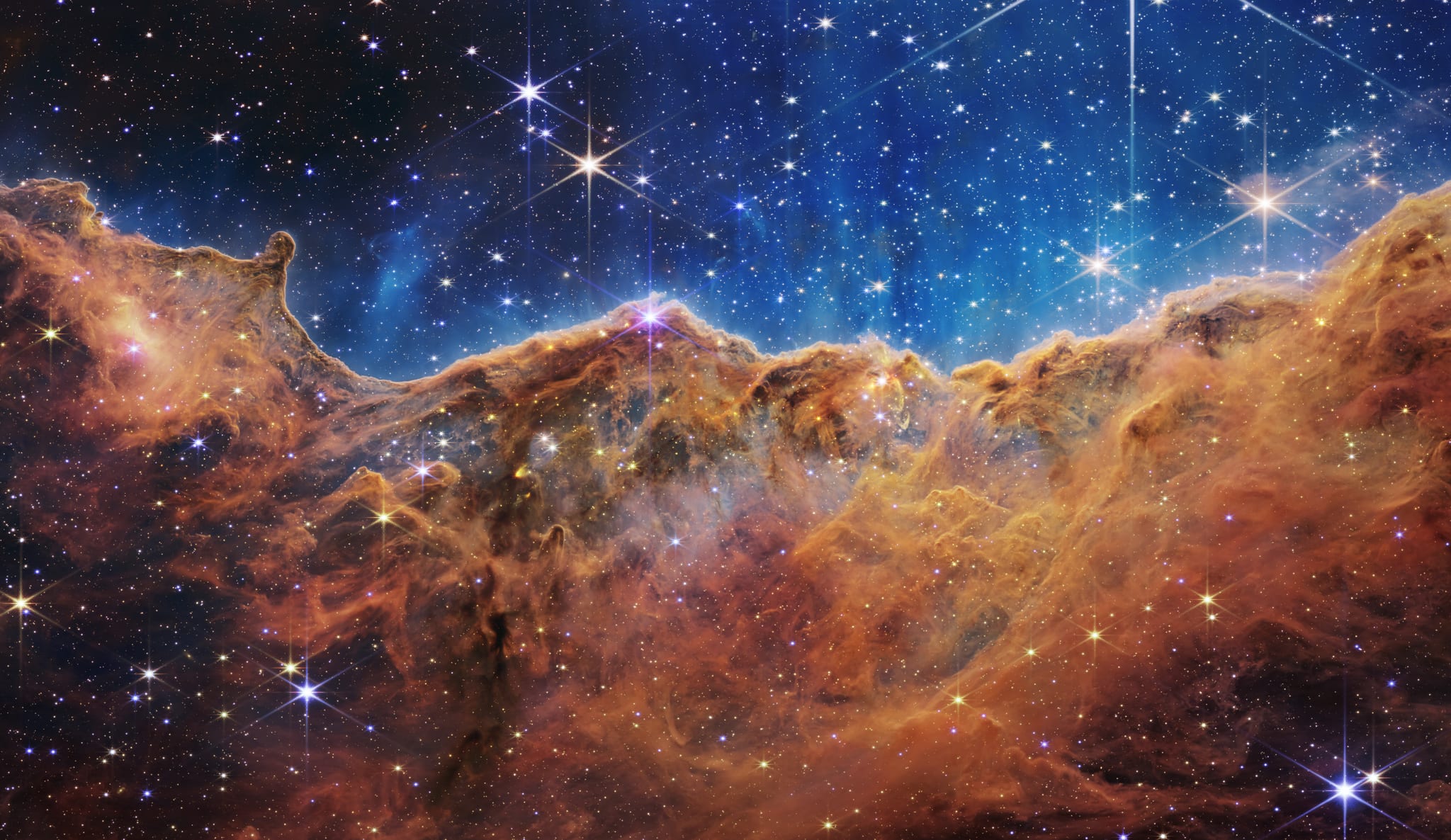
Picture: NASA, ESA, CSA, STScI; J. DePasquale, A. Koekemoer, A. Pagan (STScI).
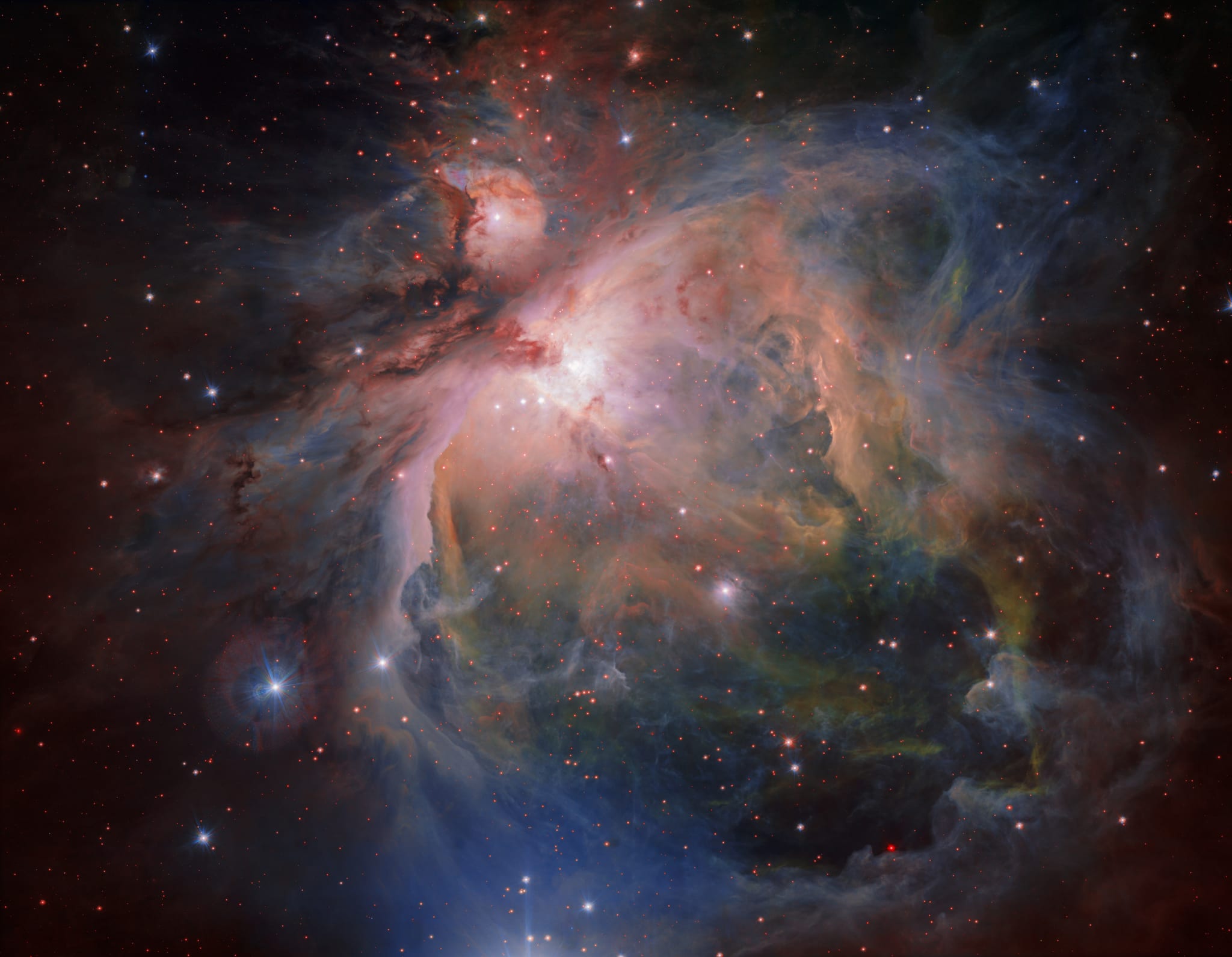
- Orion NebulaNearest large star-forming region, M42 · 1,344 light-years3D
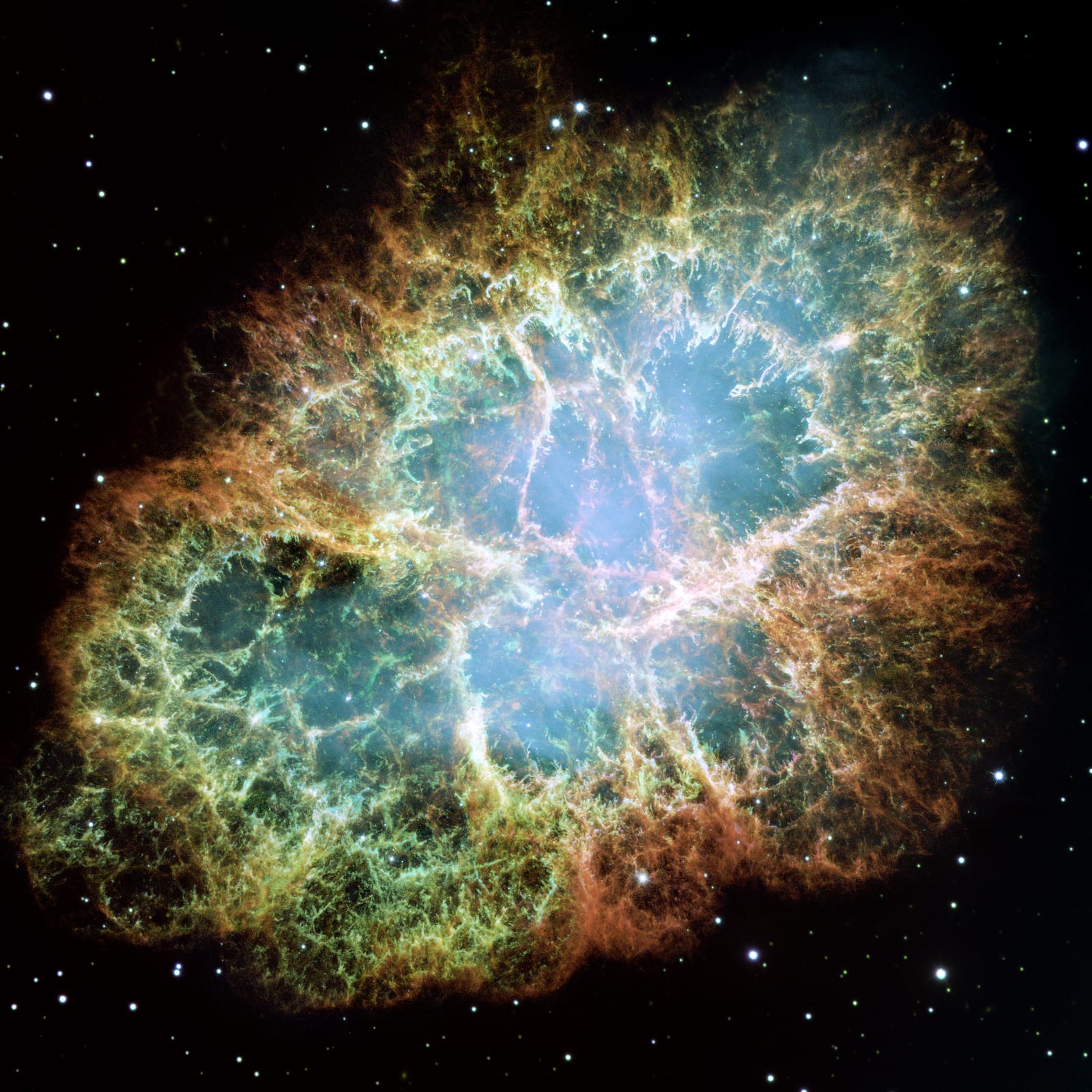
- Crab NebulaSupernova remnant, M1 · 6,500 light-years3D
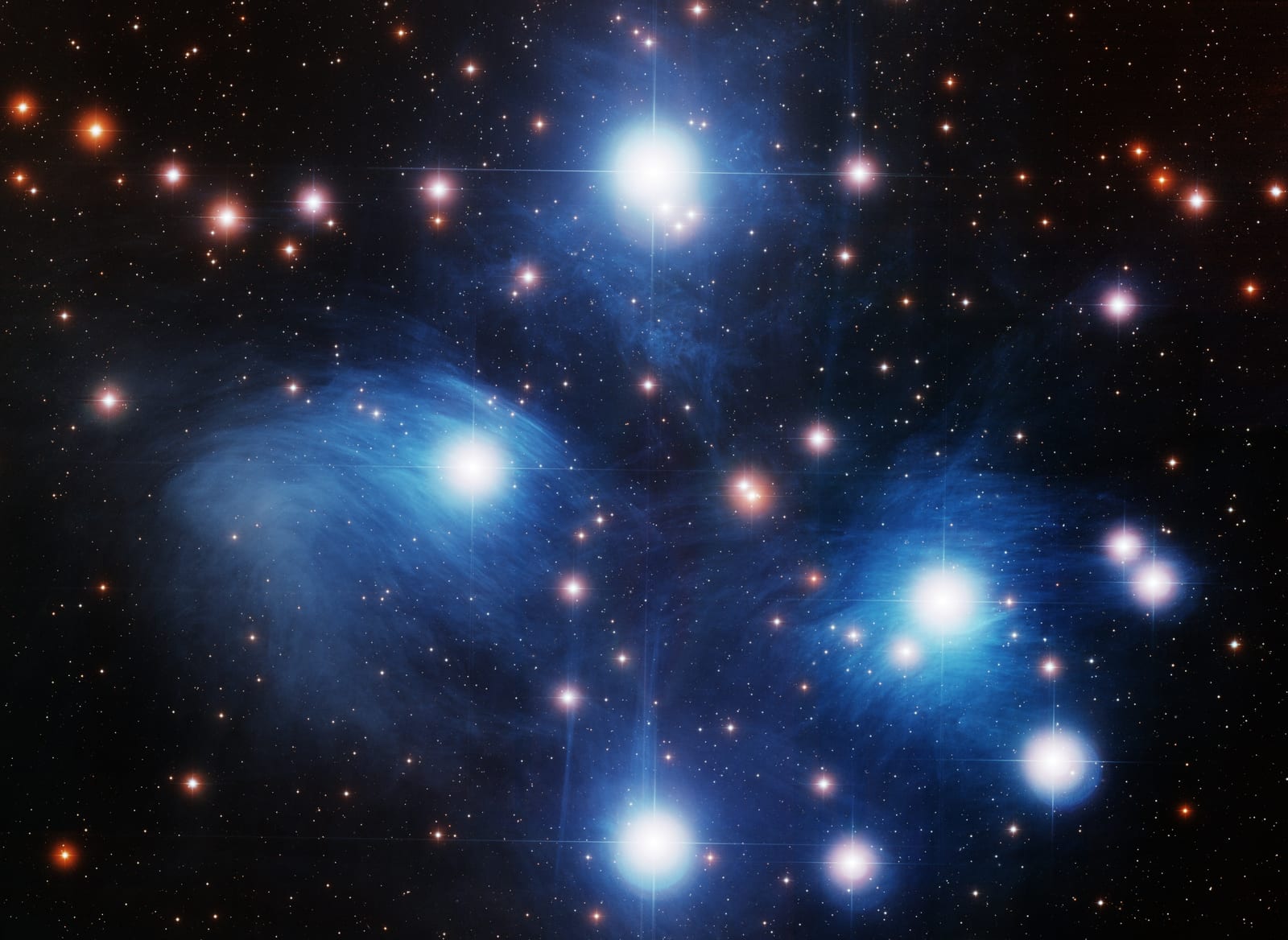
- PleiadesOpen star cluster, M45 · 444 light-years3D
- Cosmic CliffsEdge of NGC 3324 in Carina · 7,600 light-years3D
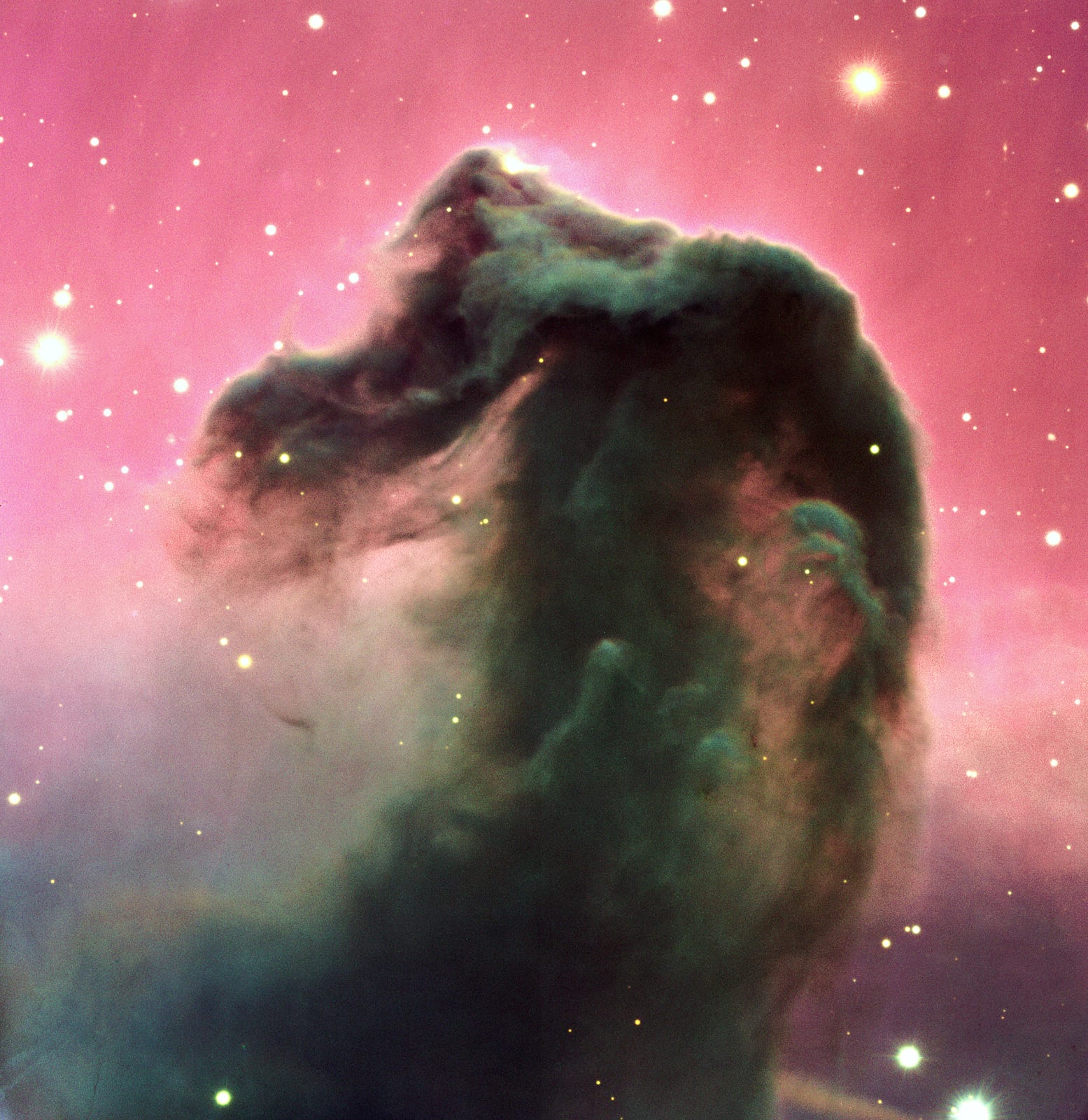
- Horsehead NebulaDark nebula, Barnard 33 · 1,375 light-years3D
- Carina NebulaStar-forming region, NGC 3372 · 7,500 light-years3D
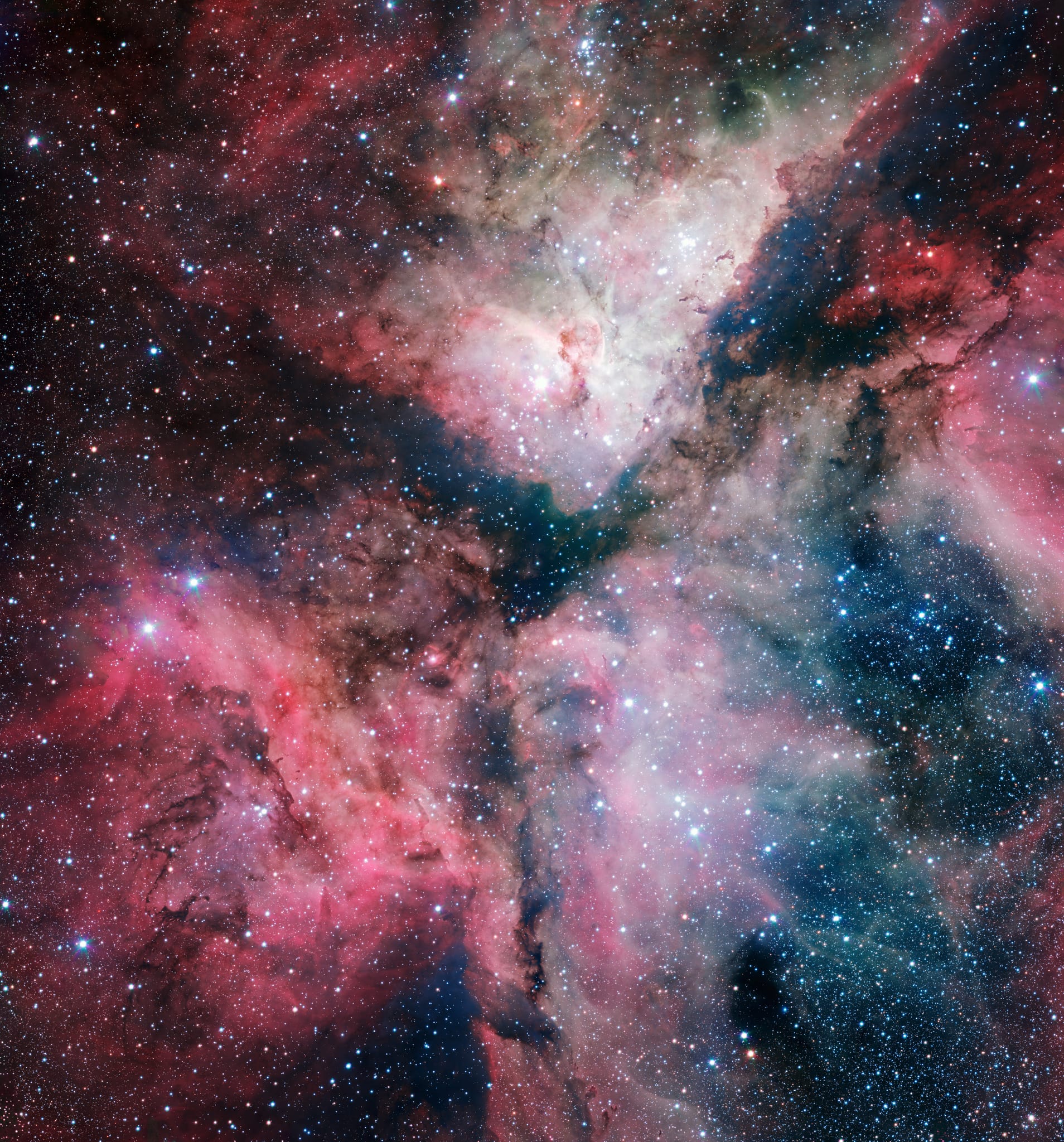
Picture: ESO. Acknowledgement: VPHAS+ Consortium/Cambridge Astronomical Survey Unit
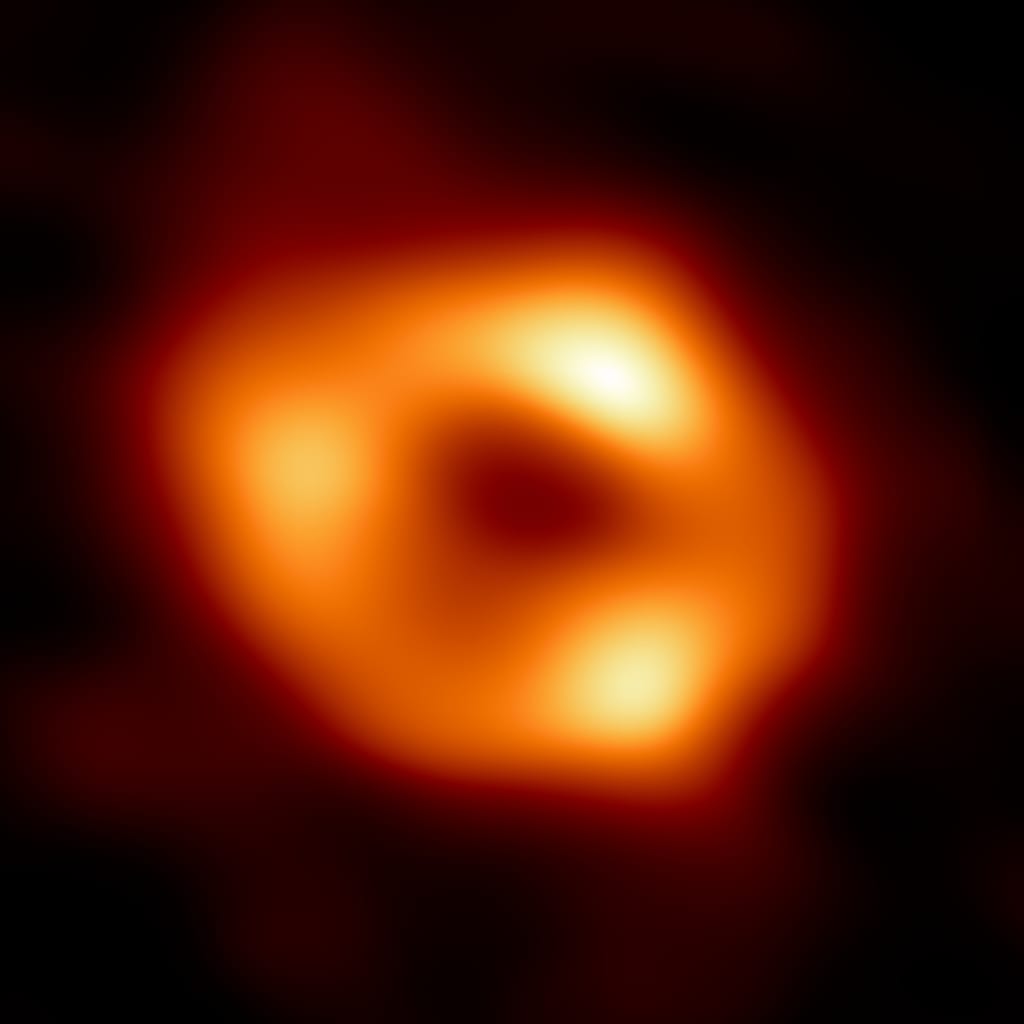
- Sagittarius A*, imagedEvent Horizon Telescope, 2022 · 26,670 light-years3D