 Open in 3D
What it is
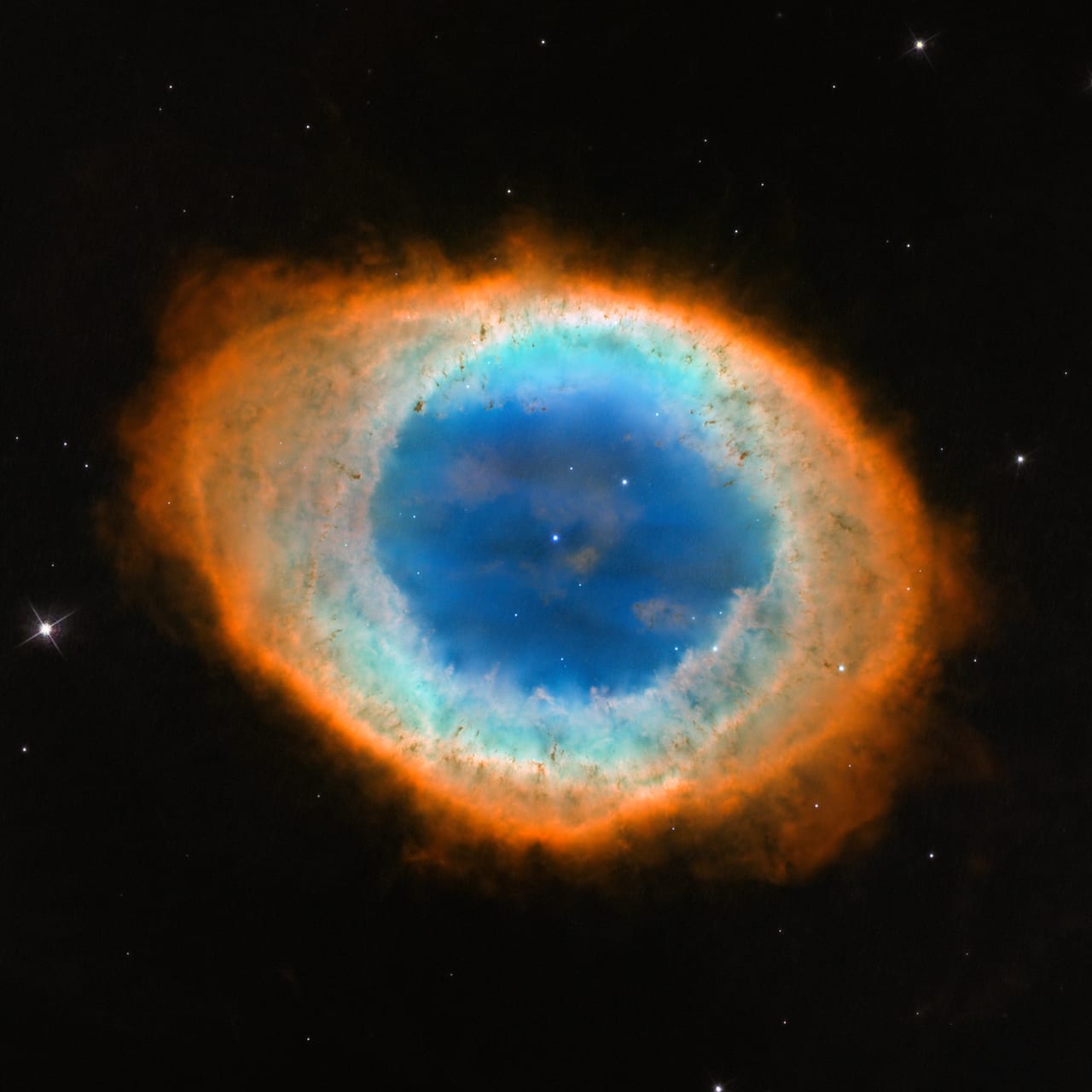
The outer layers of a dying star, cast off in a barrel-shaped shell that we see almost end on, so it looks like a ring.
The picture hangs at that distance facing Earth, as large as it is on the sky; how deep the object is cannot be seen, so it is flat.
The picture
- Taken by
- Hubble Space Telescope
- Picture spans
- about 1.6 ly
- From the Sun
- 2,570 light-years
- RA / Dec
- 283.40° / 33.03°
Ring Nebula
The Ring Nebula is a planetary nebula in the northern constellation of Lyra, about mid-way between the prominent stars Beta and Gamma Lyrae. It is also catalogued as Messier 57, M57 and NGC 6720. The nebula was discovered by Charles Messier in 1779. It has an apparent visual magnitude of 8.8, which is too faint to be visible with the naked eye, but it can be readily observed with a small telescope.
From Wikipedia, CC BY-SA · Read the article
In the Milky Way
- Pillars of CreationStar-forming columns in the Eagle Nebula · 5,700 light-years3D
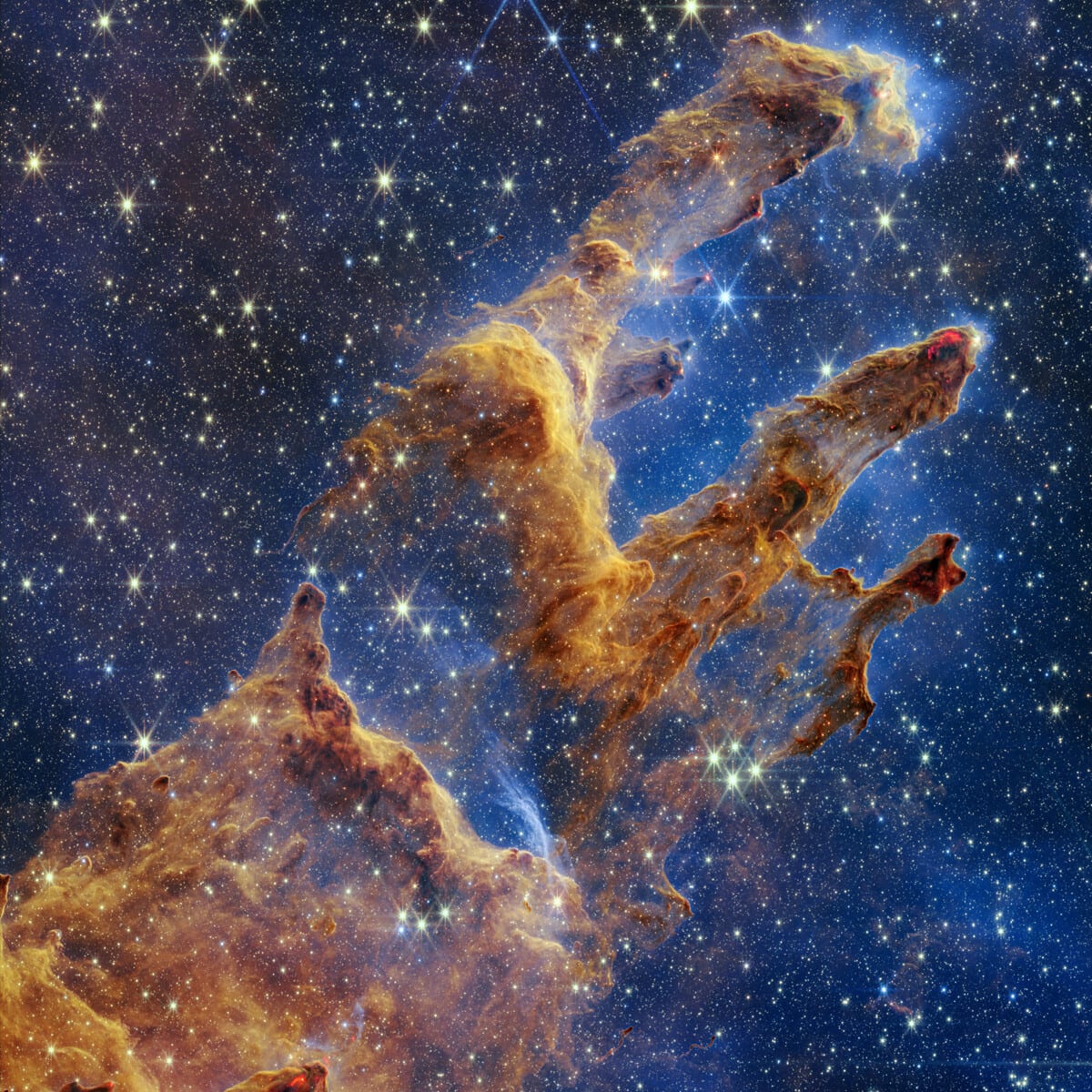
Picture: NASA, ESA, CSA, STScI; J. DePasquale, A. Koekemoer, A. Pagan (STScI).
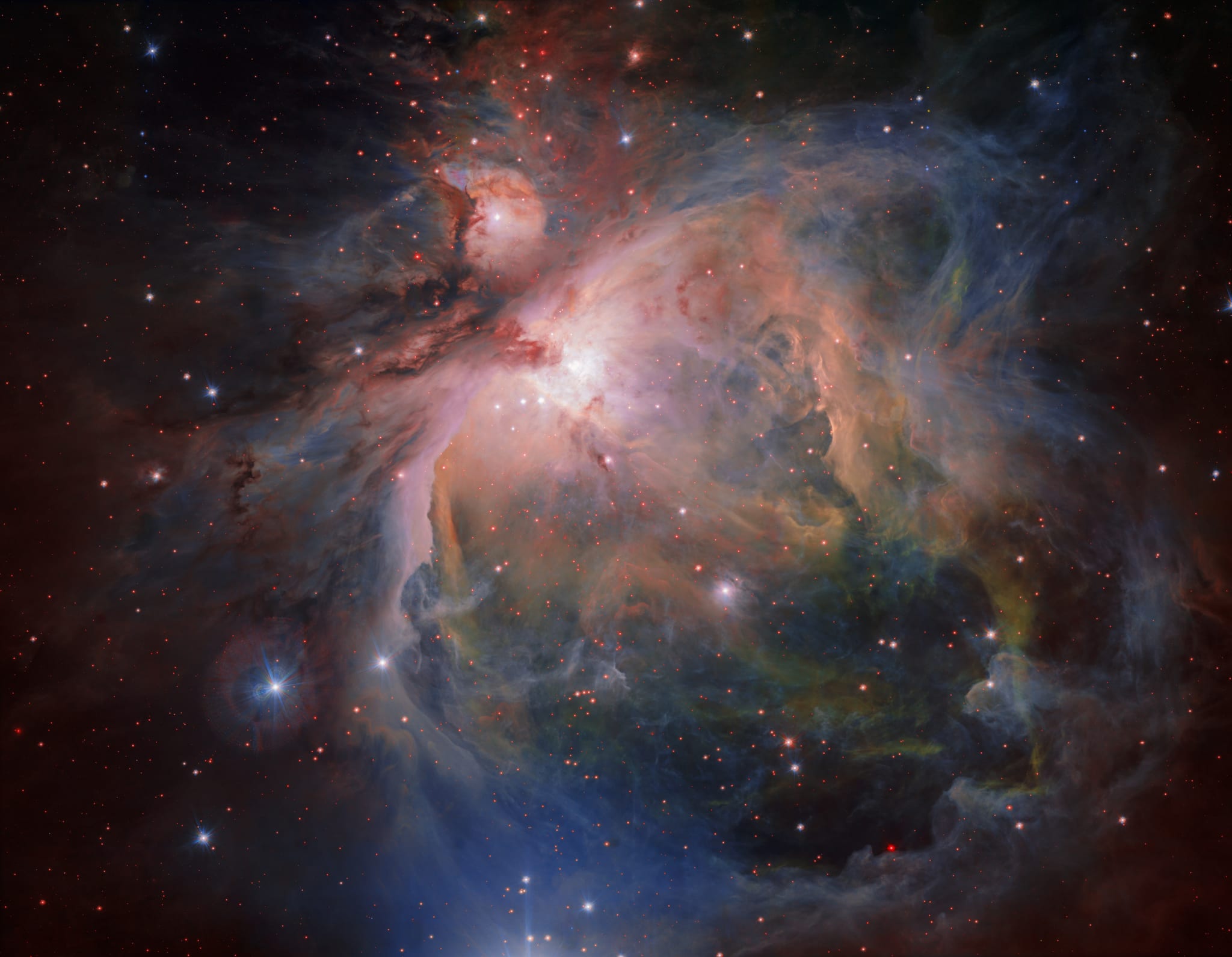
- Orion NebulaNearest large star-forming region, M42 · 1,344 light-years3D
- Crab NebulaSupernova remnant, M1 · 6,500 light-years3D
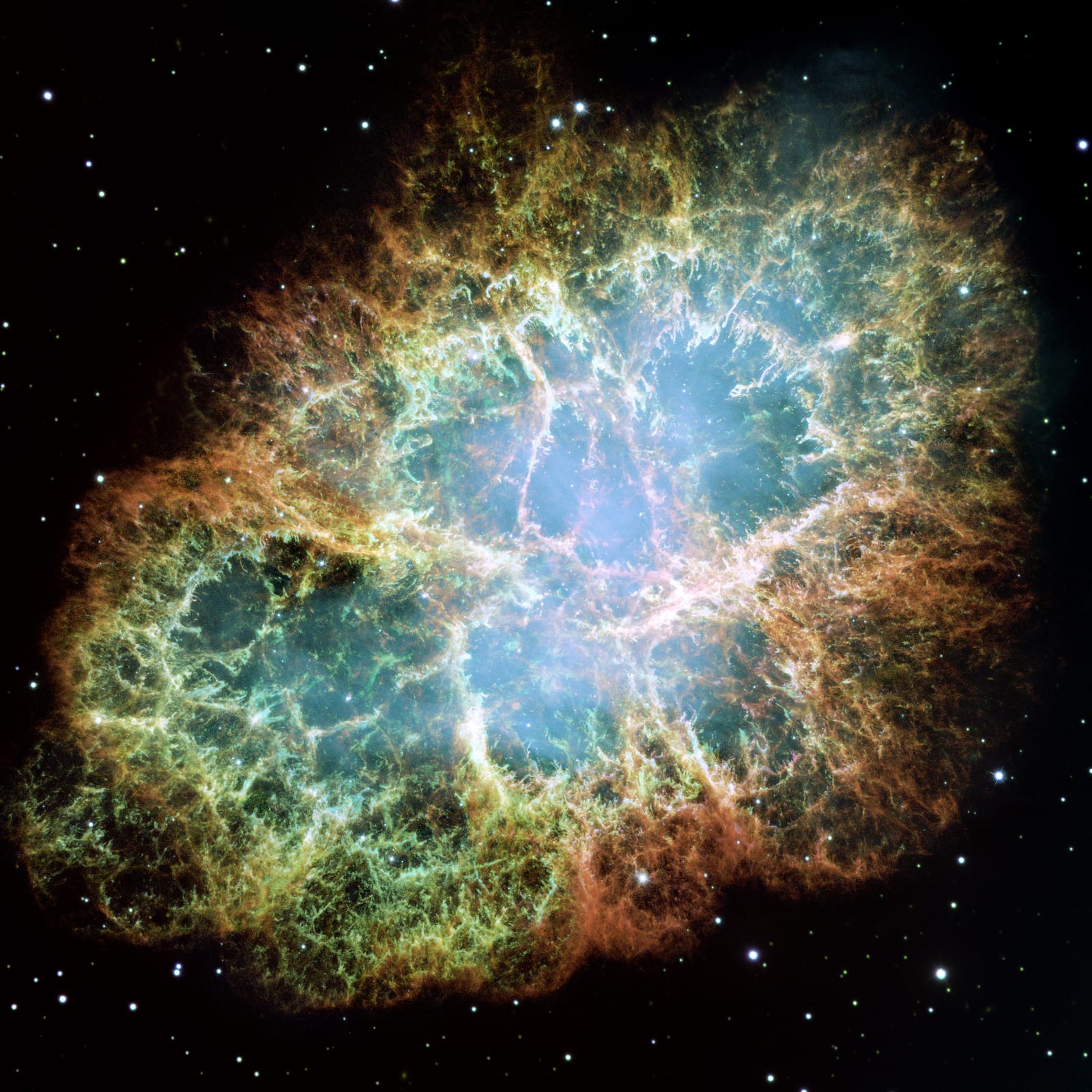
- PleiadesOpen star cluster, M45 · 444 light-years3D
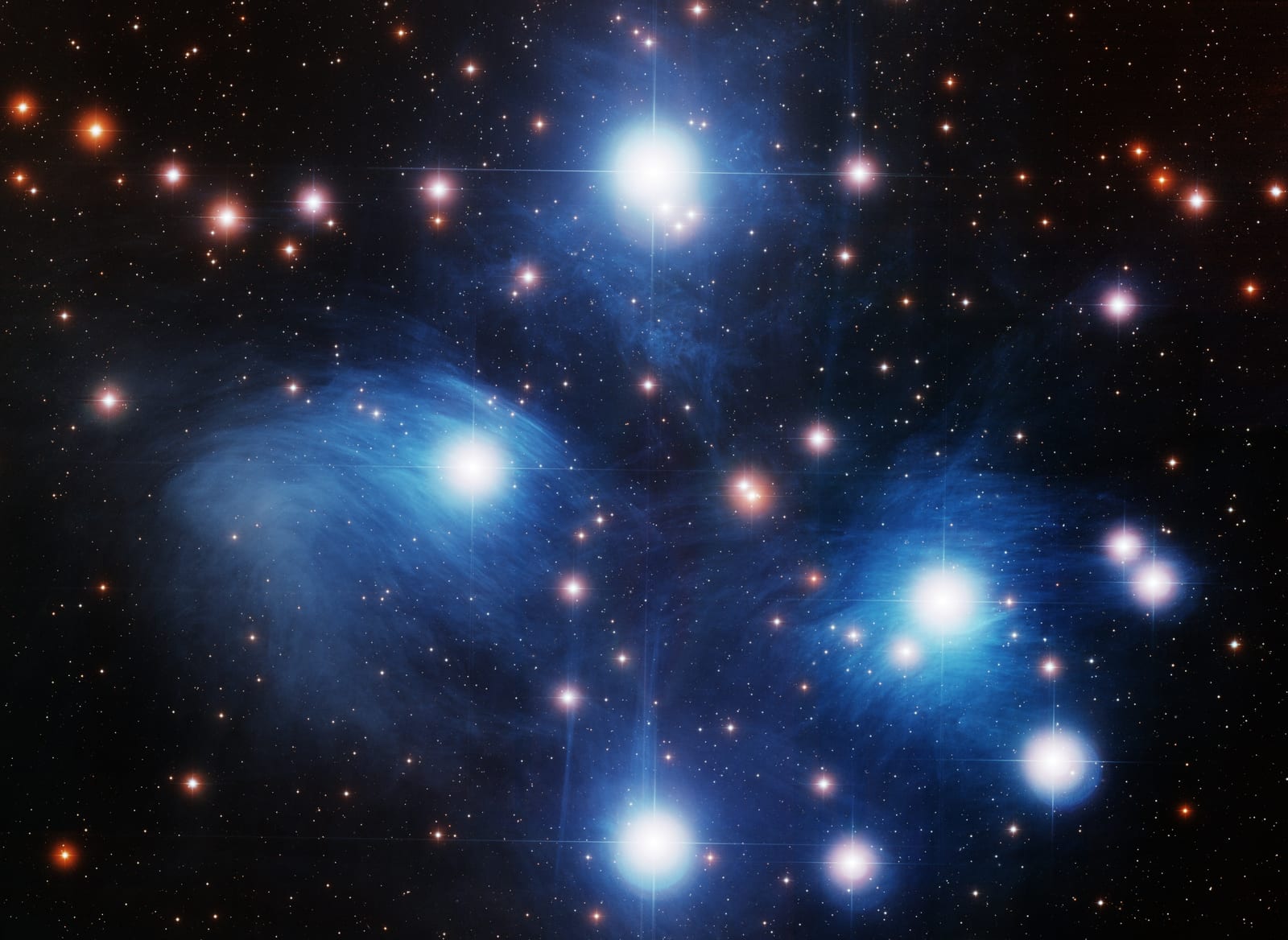
- Cosmic CliffsEdge of NGC 3324 in Carina · 7,600 light-years3D
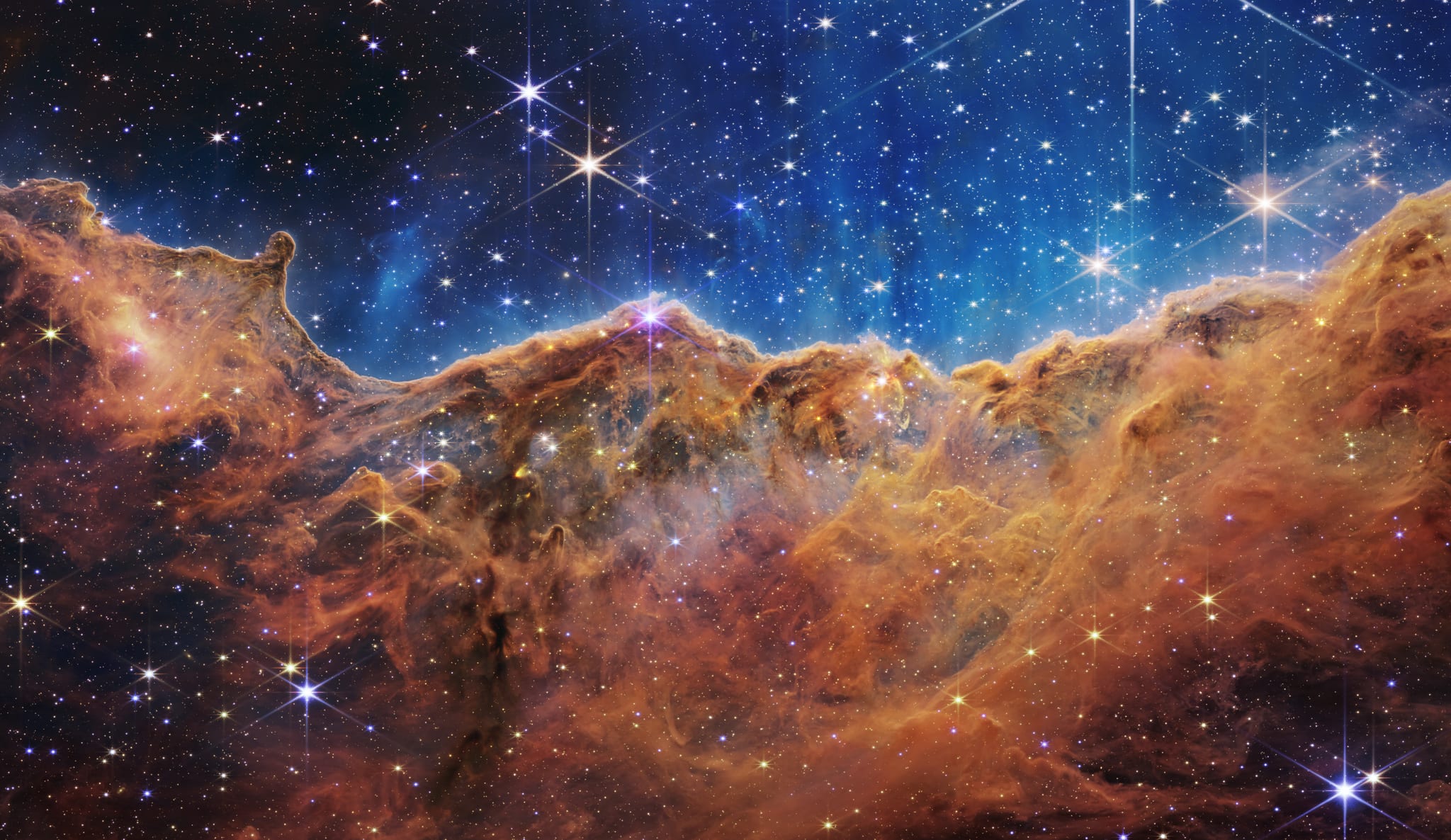
- Horsehead NebulaDark nebula, Barnard 33 · 1,375 light-years3D
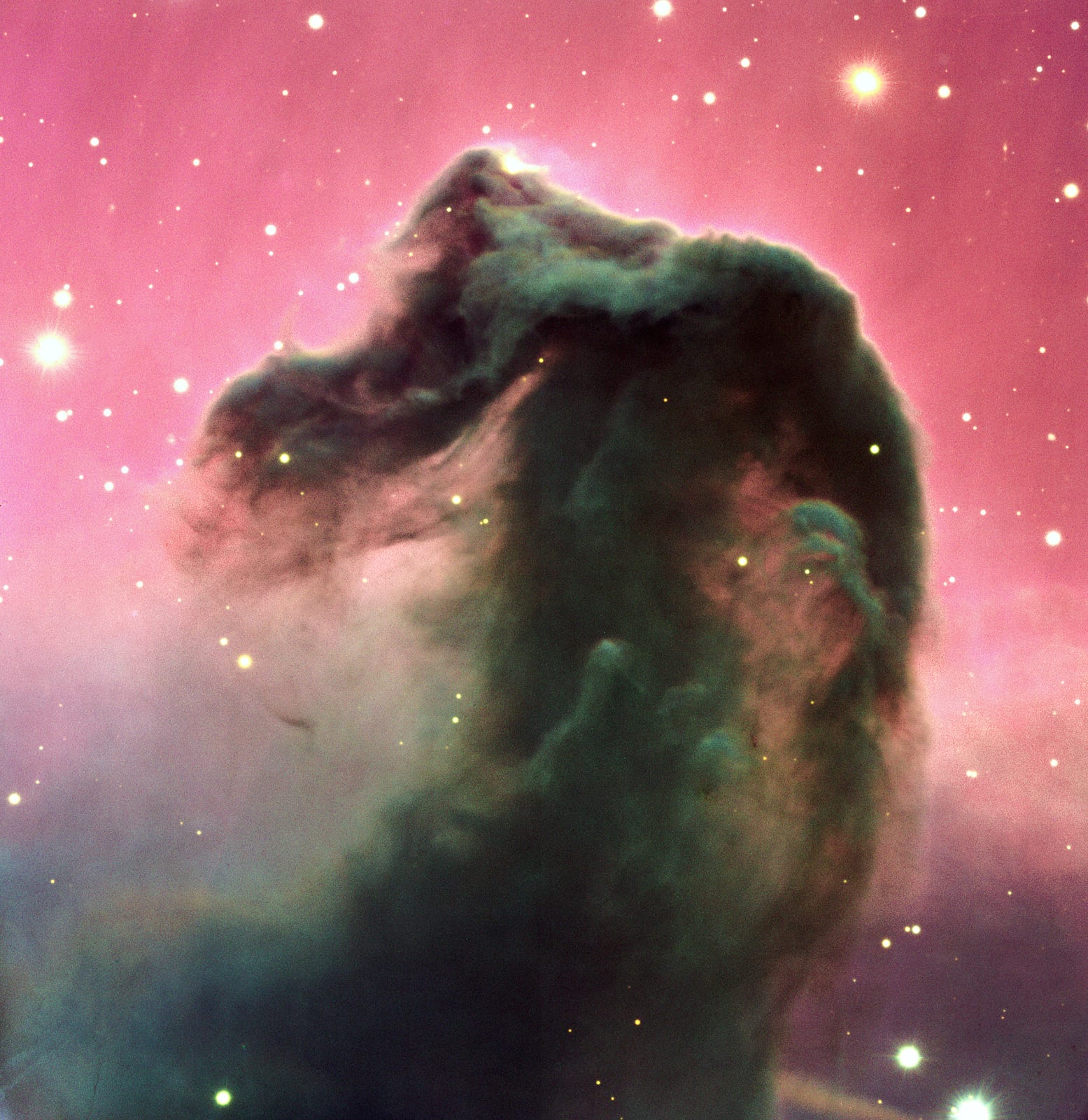
- Carina NebulaStar-forming region, NGC 3372 · 7,500 light-years3D
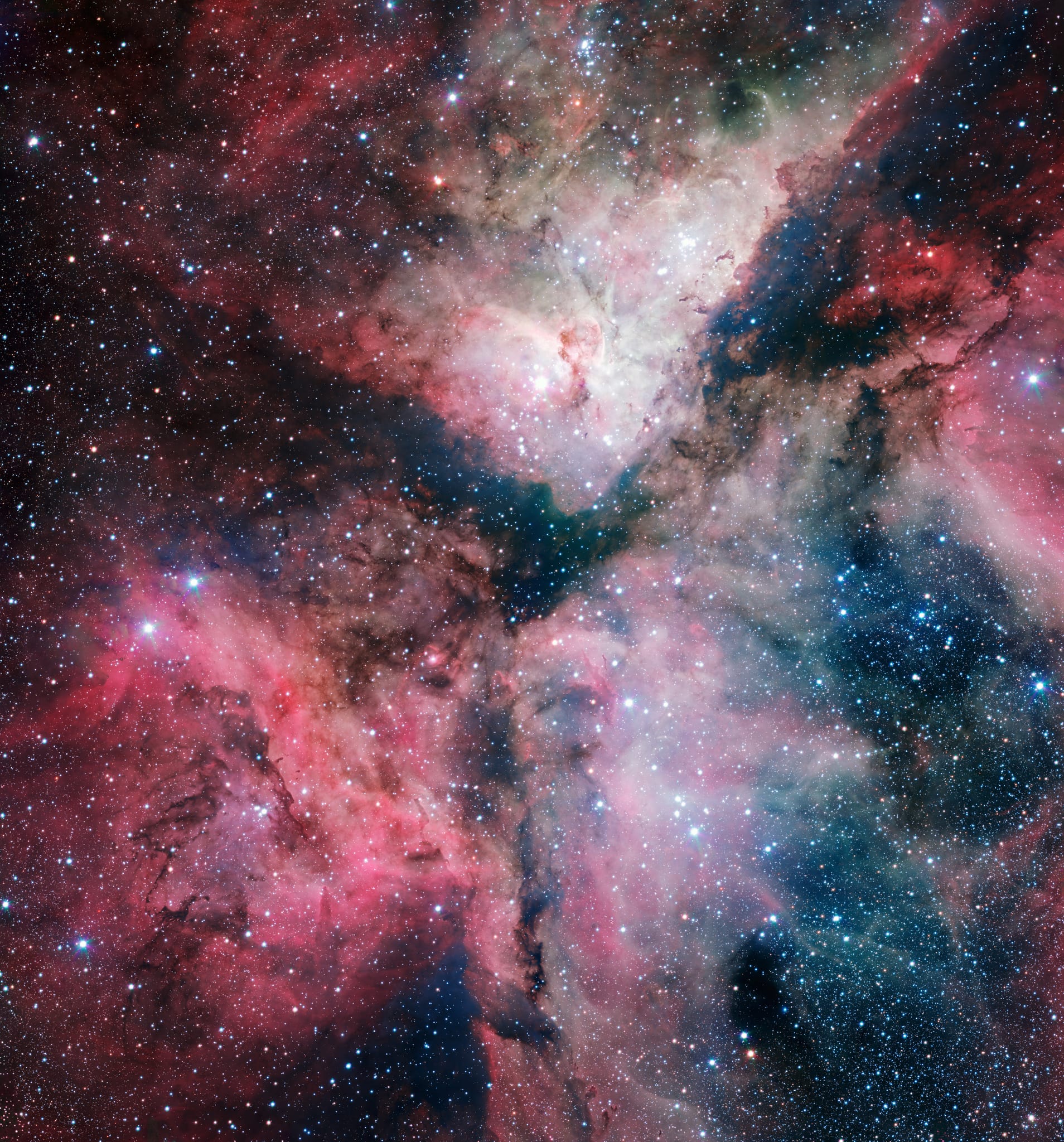
Picture: ESO. Acknowledgement: VPHAS+ Consortium/Cambridge Astronomical Survey Unit
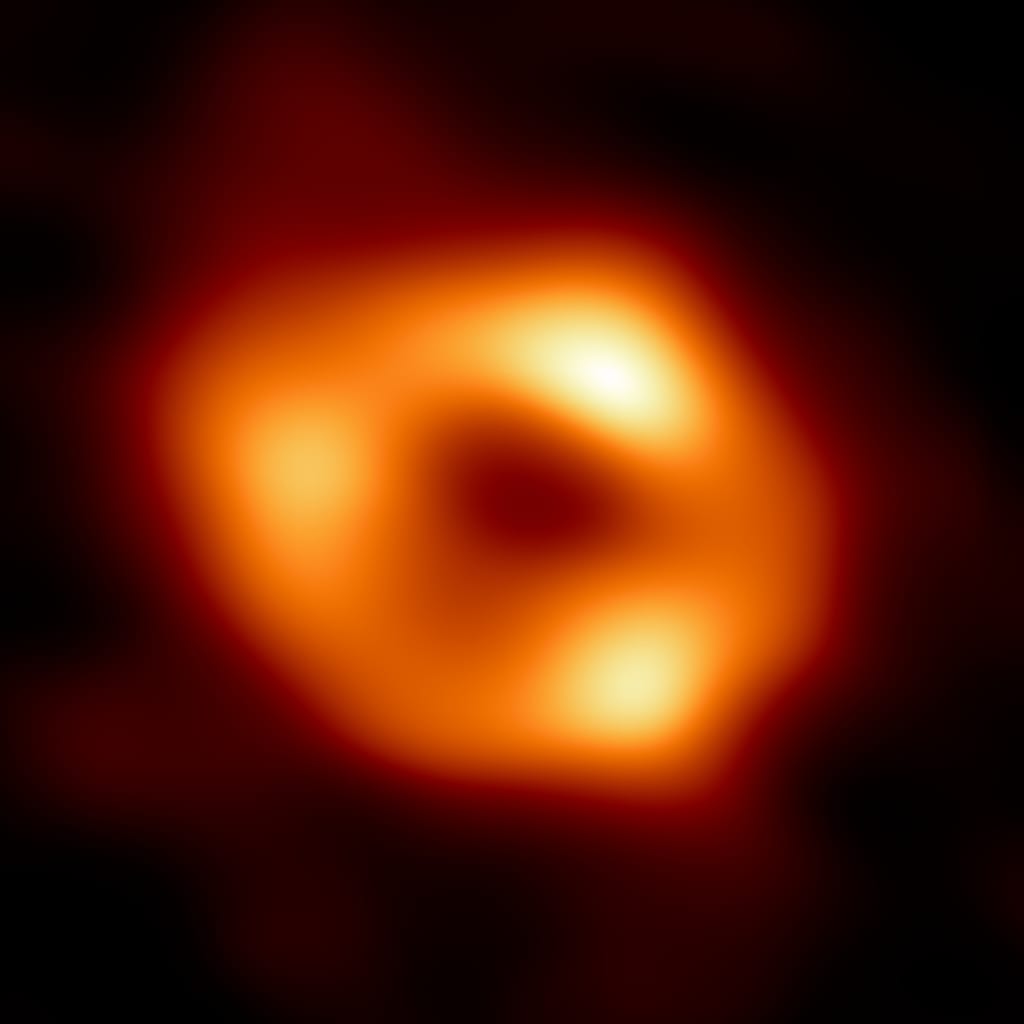
- Sagittarius A*, imagedEvent Horizon Telescope, 2022 · 26,670 light-years3D